Elavoxerin

Breaking down the moving parts of an Irish trip

Route scope

Many visitors try to loop the entire island in a short stay, only to find themselves driving more than they explore. We examine your dates, arrival and departure points, and must see locations, then outline a route that fits within those boundaries. If your wish list stretches the schedule too far, we say so clearly and propose a smaller, more coherent circuit that still delivers a mix of city time, coastline, and quieter inland stops.

Stay choices

Accommodation can quietly shape how your days feel. Long walks from hotels to transport, late night noise, or repeated early check outs can erode your energy. We look at where you plan to stay, how that aligns with your daily movements, and whether the location supports the pace you want. When we spot friction, such as a remote base paired with late activities, we suggest alternatives that reduce strain without forcing you into a single style of stay.


Quiet Irish village street with colourful houses and a couple walking
Travellers walking along a windy Irish cliff path in rain jackets

Getting around

Irish public transport works well on some routes and less well on others. Car hire brings flexibility but also new responsibilities on narrow roads and in unfamiliar cities. We help you weigh these options based on your confidence, budget, and schedule. That might mean combining rail with short car segments, or focusing on one mode entirely. You receive clear notes on how each choice affects timing, cost patterns, and daily effort.

Key stops

Popular Irish sights can feel very different at various times of day or year. Instead of assuming every highlight will feel special, we discuss crowd patterns, ticketing, and realistic visiting windows. Where possible, we suggest alternate viewpoints or nearby experiences that match what you actually value, whether that is quiet scenery, history, or local food, rather than chasing every famous name on a list.

Designing Irish trips that survive contact with reality

Planning an Irish trip from a distance often means juggling half remembered advice, scattered blog posts, and route suggestions that assume unlimited time. It is reasonable to doubt whether the plan you have sketched will hold up once you land. At Elavoxerin, we treat those doubts as the starting point rather than an inconvenience. Our work on Ireland itineraries begins with a simple question: what would make this trip feel like a mistake. Common answers include too much driving, not enough time in one place, or discovering that a long anticipated sight is overrun at the only time you can visit. We map those concerns against your proposed route, then show you where they are most likely to surface. From there, we present alternatives that adjust pace, sequence, or location while keeping your core goals intact. You might trade one extra region for a calmer stay in another, or move a popular stop to a different day to avoid pressure. Throughout, we keep the language plain and the focus on practical consequences rather than romantic descriptions. You end up with a plan that has been openly challenged and revised, instead of one that relies on everything going smoothly on unfamiliar roads.

Ireland trips planned with clear eyes

A measured way to explore Ireland that recognises weather, crowds, and distance before recommending routes or stays

Thoughtful travel in Ireland starts with a clear look at what might get in the way. Crowded routes along the coast, unpredictable weather, and tight connections between rural buses and trains can turn a simple plan into a tiring scramble. At Elavoxerin, we design Irish trips by testing these weak points first. We look at your route, timing, and expectations, then ask where delays, closures, or over ambitious days are most likely to appear. Only when those stress points are mapped do we start shaping the itinerary. This means you see honest trade offs between scenic detours, city time, and quieter days rather than a glossy list of highlights. You keep control over pace and budget while we handle the detail of checking connections, opening hours, and realistic driving times. The result is not a flawless promise, but a trip that has been carefully questioned before you set off.

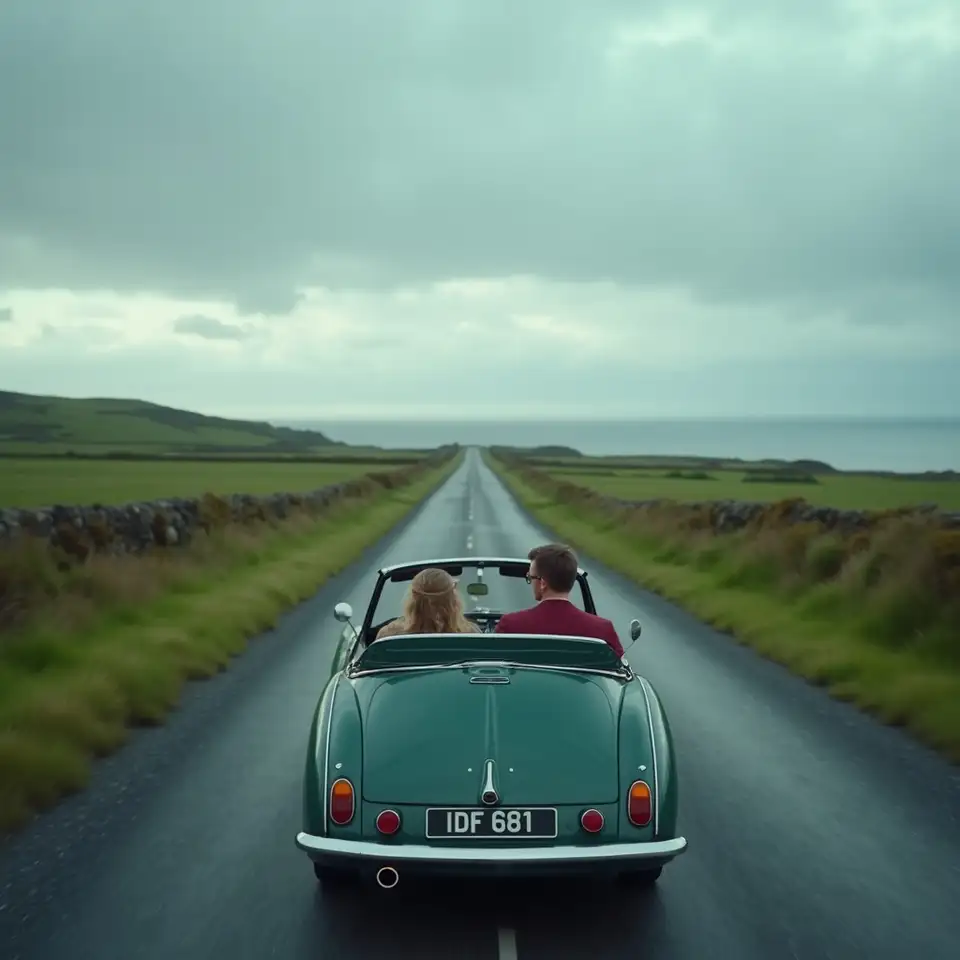
Traveller in a small car pausing on an Irish coastal road

Practical benefits of a questioned Irish itinerary

Bold promises about perfect Irish trips often skip the parts that go wrong. We prefer to name those risks early, then build routes and stays that take them seriously.

Routes that match how days actually unfold

Irish maps can make routes look shorter and smoother than they feel in reality. Narrow roads, slow moving traffic, and frequent photo stops all stretch driving times. We account for these factors upfront, then add buffers around key legs of your journey. For each suggested route, you receive a simple breakdown of driving hours, likely pauses, and where fatigue could build. When a day looks overloaded, we flag it directly and offer calmer alternatives rather than waiting for you to discover the strain on the road.

Realistic daily distances

Time buffers built in

Clear trade off notes

Thinking through your Irish journey

Irish travel decisions often start with a single image, then expand into a route that tries to cover too much ground. We encourage you to slow that process down and question each addition before it becomes a fixed commitment.

When you share your ideas with Elavoxerin, we focus first on your limits, not on how many places we can add. That includes your tolerance for driving, your preferred number of hotel changes, and any mobility or timing constraints.

Once those boundaries are clear, we examine your wish list against real maps, timetables, and seasonal patterns. If something looks unrealistic, we explain why in plain language rather than dressing it up as an adventure.
Our feedback is designed to be usable even if you continue planning on your own. You receive structured notes on where your plan is strong, where it may strain, and what simple adjustments could reduce that strain.
We do not promise perfect outcomes, because weather, transport, and personal energy levels all shift. Instead, we aim for a route that has already absorbed a reasonable amount of doubt before you travel.
If this approach matches how you like to make decisions, the next step is straightforward. Share your outline, your concerns, and your non negotiables, and we will respond with measured, practical suggestions.

You remain in control of every final decision. Our role is to highlight trade offs clearly so that when you do choose, you understand what you are accepting and what you are setting aside.

Traveller sitting in a cafe in Ireland taking notes while planning a trip
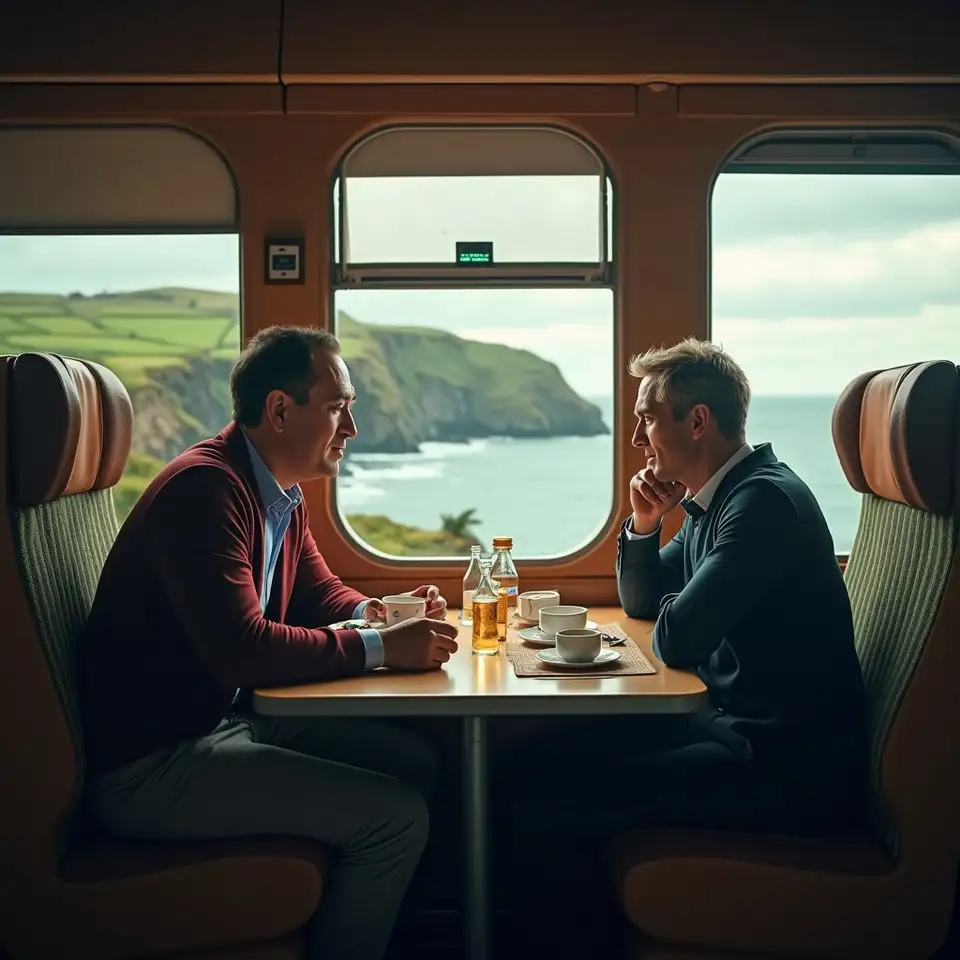
Irish train travelling along the coastline with sea and fields in view
Traveller standing by a parked car in rural Ireland studying a route map

Sense check your Ireland route

Send us your draft Ireland route, along with your main concerns, and we will provide a clear, practical assessment updated for 2026 conditions.

If you are unsure whether your current Ireland itinerary is realistic, that hesitation is useful. It usually means you can sense a mismatch between the map and how the days will actually feel. Share your outline with us, including the parts you are least confident about. We will review your route, timing, and key stops, then respond with measured feedback on what seems solid, what looks fragile, and where small changes could create more breathing room. You can take that analysis and adjust the plan in your own time, without pressure to book through us or commit on the spot.
Learn more
Cookie consent notice displayed on a laptop screen

Cookie settings notice

We use cookies to keep elavoxerin.sbs working securely, understand how our travel content is used, and, if you agree, improve how information is presented.